
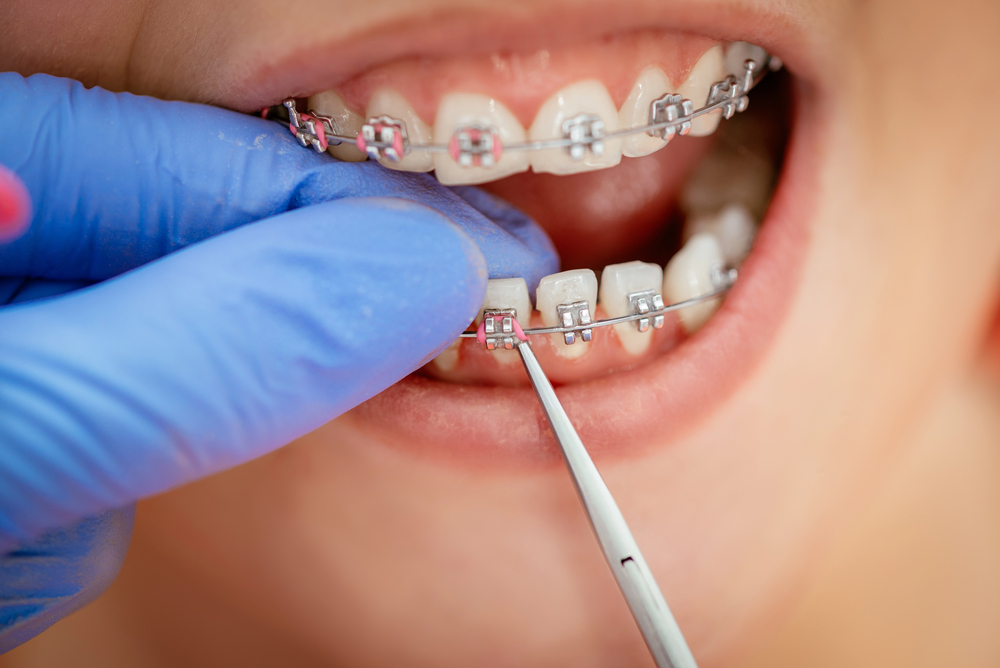
For decades, patients embarking on the journey to a straighter smile had to rely on a traditional mix of clinical estimation, manual adjustments, and standard metal hardware. Achieving optimal dental alignment was historically a fluid process, with practitioners making physical modifications to wires and brackets at each clinical visit based on visual progress and physical tracking. Today, the landscape of dental care across Australia has transformed fundamentally. The integration of advanced digital tools, custom-engineered materials, and predictive computing has shifted the industry toward an era of unprecedented clinical precision. Modern orthodontic interventions are no longer about merely reacting to tooth movement week by week; instead, they are rooted in highly predictable, pre-planned biological outcomes that benefit both the clinician and the patient from day one.
The Shift Toward Digital Mapping and Treatment Simulation
The foundation of predictability in contemporary smile design lies in advanced diagnostic imaging and three-dimensional rendering. Traditional, highly uncomfortable silicone impressions—which were prone to tearing, shrinking, and minor distortions—have largely been replaced by high-definition intraoral scanners. These ergonomic devices capture thousands of three-dimensional data points within minutes, creating an exact, interactive digital replica of the patient’s unique oral anatomy.
Once this digital model is generated, advanced diagnostic algorithms allow practitioners to map out the entire biomechanical journey of a single tooth or the entire dental arch before any physical appliance is ever placed in the patient’s mouth. This critical diagnostic step eliminates a significant amount of guesswork from the process. Practitioners can simulate various clinical pathways, assessing how forces will interact with the surrounding bone structure and delicate gum tissue. This comprehensive visualization ensures that the planned final aesthetic result is not only structurally sound and functional but also fully achievable within a realistic, predictable timeline.
Advanced Biomechanics and Material Innovation
Predictability has also been massively enhanced by the transition from generic orthodontic components to highly bespoke, bio-engineered materials. Historically, standard stainless steel wire configurations applied generalized, heavy pressure across the entire dental arch, requiring frequent manual bends and uncomfortable adjustments to keep teeth moving in the right direction. The modern era leverages smart materials, such as shape-memory nickel-titanium alloys and medical-grade polyurethane polymers, which are scientifically engineered to deliver constant, light, and highly targeted forces over an extended period.
This technological evolution is most evident when analyzing the evolution of orthodontics from traditional braces to modern aligner systems. While traditional brackets relied on heavy, centralized forces that could sometimes cause round-tripping or unexpected counter-movements, modern clear aligners utilize sequential, micro-targeted movements. Each aligner in a series is custom-manufactured to move specific teeth by a fraction of a millimetre at a exact, calculated angle. By breaking down complex malocclusions into programmed, incremental stages, the risk of unwanted root resorption or unexpected tooth drift is significantly minimized, resulting in a safer, more reliable, and completely trackable biological process.
Enhanced Patient Compliance Through Visual Accountability
One of the often-overlooked variables in orthodontic predictability is patient behavior, particularly when it comes to removable appliances. Modern technology has ingeniously solved part of this puzzle by involving the patient directly in the digital planning phase. When a patient can look at a high-resolution screen and see a step-by-step digital simulation of how their teeth will move over the coming months, their psychological investment in the treatment plan increases dramatically.
Furthermore, the rise of remote monitoring apps and artificial intelligence tracking tools allows patients to take weekly scans of their teeth using a smartphone attachment from the comfort of their own homes. These images are automatically cross-referenced by clinical software against the original digital treatment plan. If a patient is not wearing their aligners for the required twenty-two hours a day, or if a specific tooth is failing to track according to the mathematical model, the system flags the variance immediately. This allows the orthodontist to intervene early, preventing minor tracking errors from snow-balling into major delays.
Intelligent Infrastructure and Practice Integration
Beyond the physical appliances worn by the patient, the administrative, laboratory, and diagnostic infrastructure supporting clinical decisions has become highly sophisticated. Modern Australian dental clinics utilize an interconnected digital ecosystem to track progress, store comprehensive diagnostic records, and maintain seamless communication between external laboratory technicians and the in-house clinical staff.
Automated diagnostic platforms can rapidly analyse complex cephalometric radiographs, trace vital structural landmarks, and cross-reference individual patient data against vast global databases of successful clinical outcomes. This comprehensive tracking ensures that clinical standards remain remarkably consistent. This diagnostic precision is driven by a variety of software programs that streamline case management, manage complex 3D rendering data, and optimize treatment planning files, allowing Australian practitioners to deliver a consistently high standard of predictable orthodontic care.