
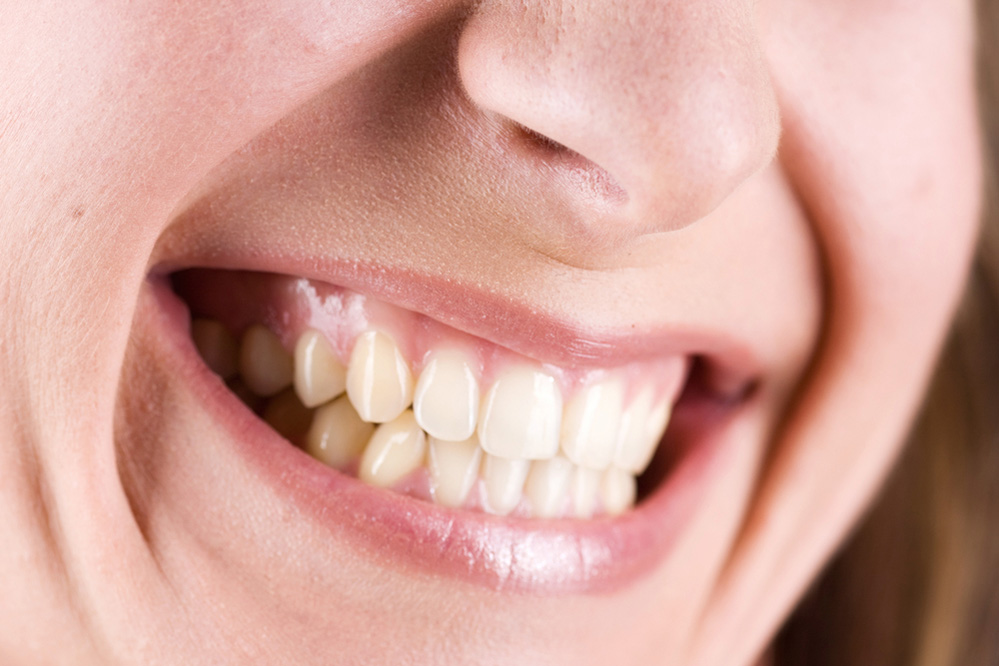
A smile is often admired for its brightness, symmetry, or confidence, yet its greatest strength lies beneath the surface. Hidden below the visible enamel is an intricate support system of gums, ligaments, connective tissue, and bone that quietly sustains every bite, every conversation, and every expression. This living foundation is the periodontium, and when it thrives, every smile becomes stronger, healthier, and more resilient. Across Australia, growing awareness of periodontal health is shifting dental care from simply treating teeth to protecting the structures that make lifelong oral wellness possible.
Australians today are becoming increasingly proactive about preventive healthcare. This change is reflected in dentistry, where patients are recognising that healthy gums are not merely cosmetic—they are essential for preserving natural teeth and supporting overall wellbeing. While brushing and flossing remain everyday essentials, maintaining healthy gums often requires a more comprehensive approach, particularly when early signs of inflammation begin to appear. This is where periodontal therapy plays a vital role in preventing minor gum irritation from progressing into more serious disease.
Periodontal disease rarely announces itself dramatically. It often begins quietly with mild gingivitis, characterised by bleeding during brushing, swollen gums, or occasional sensitivity. Because these symptoms can seem insignificant, many Australians delay seeking treatment until irreversible damage has already occurred. Yet the biology of gum disease is remarkably active. Harmful bacteria accumulate beneath the gumline, triggering an immune response that, if left unmanaged, gradually destroys the tissues supporting the teeth.
The remarkable aspect of modern dentistry is that early intervention can interrupt this destructive process before permanent consequences develop. Professional assessment, thorough cleaning beneath the gums, personalised home-care guidance, and regular monitoring combine to create a preventive strategy that protects both teeth and supporting bone. Rather than viewing treatment as a reaction to disease, Australian dental professionals increasingly present gum care as an investment in long-term oral stability.
The significance of healthy gums extends well beyond the mouth. Researchers continue exploring the complex relationship between chronic gum inflammation and systemic health. Although ongoing studies are refining our understanding, evidence suggests associations between periodontal disease and conditions affecting cardiovascular health, diabetes management, and inflammatory processes throughout the body. These findings reinforce an important message: oral health should not be isolated from general healthcare but considered an integral component of overall wellbeing.
Australia’s multicultural communities also contribute to a broader understanding of preventive dentistry. Diverse dietary habits, cultural practices, and health beliefs influence oral health behaviours, encouraging dental professionals to provide personalised education that respects individual lifestyles. This patient-centred approach improves communication, encourages earlier intervention, and helps people better understand how daily habits influence their long-term gum health.
Technology is further transforming the way gum disease is detected and managed. Digital imaging, periodontal charting software, advanced diagnostic tools, and minimally invasive treatment techniques allow clinicians to identify subtle changes before extensive tissue destruction occurs. These innovations enable more precise planning while improving patient comfort throughout periodontal therapy, making treatment less intimidating than many people imagine.
Perhaps one of the most overlooked opportunities for preventing periodontal disease begins in childhood. Lifelong gum health is established through habits formed during the earliest years of life. Teaching effective brushing techniques, encouraging healthy nutrition, limiting sugary snacks, and scheduling regular dental visits create routines that continue well into adulthood. Strong children’s oral hygiene practices are therefore not simply about protecting baby teeth—they establish behavioural patterns that reduce the risk of future gum disease.
Parents, caregivers, schools, and dental professionals each play a meaningful role in shaping these habits. Australian educational initiatives increasingly recognise that oral health literacy should begin early, helping children understand not only how to brush correctly but also why healthy gums matter. When young people develop confidence in caring for their mouths, they carry these behaviours into adolescence and adulthood, reducing the likelihood of chronic oral disease later in life.
The relationship between children’s oral hygiene and family health is equally important. Children often imitate adult behaviours, making parents influential role models. Families who brush together, choose healthier food options, attend regular dental appointments, and discuss oral health positively help normalise preventive care rather than emergency treatment. These seemingly small daily actions accumulate over decades, producing healthier smiles across entire generations.
Australia’s ageing population further highlights the importance of maintaining periodontal health throughout life. As more adults retain their natural teeth into older age, preserving healthy gums becomes increasingly critical. Teeth can remain functional for decades when supported by healthy periodontal tissues, allowing older Australians to maintain nutrition, speech, confidence, and social engagement without unnecessary tooth loss. Preventive care therefore contributes not only to oral function but also to quality of life and healthy ageing.
Environmental awareness is also subtly influencing oral healthcare. Many Australians are embracing sustainable dental products such as recyclable toothbrushes, biodegradable floss alternatives, and environmentally responsible oral care routines. While sustainability itself does not prevent gum disease, these evolving habits reflect a broader cultural shift toward long-term health stewardship—protecting both personal wellbeing and the environment through thoughtful daily choices.
Ultimately, periodontal health represents far more than disease prevention. It embodies resilience, prevention, education, and partnership between patients and dental professionals. Every healthy gumline reflects countless everyday decisions—consistent brushing, effective flossing, balanced nutrition, routine dental assessments, and timely professional care when needed. These habits create the biological foundation upon which every confident smile is built.
As Australia continues embracing preventive healthcare and evidence-based dentistry, the future of oral health will increasingly focus on preserving what already exists rather than replacing what has been lost. Strong gums support strong teeth, healthy habits shape lifelong wellbeing, and informed communities build healthier futures. By prioritising periodontal therapy when necessary and fostering excellent children’s oral hygiene from an early age, Australians can ensure that every smile rests upon the strongest possible foundation—one that lasts for generations.