
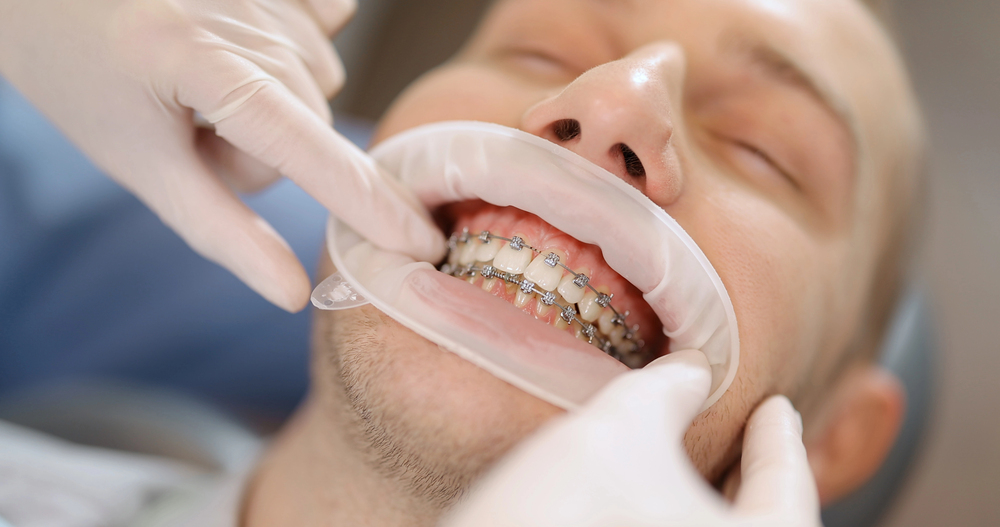
A beautifully aligned smile may look like a simple arrangement of teeth, but its creation depends on a remarkable biological partnership between bone, connective tissue and carefully controlled mechanical forces. Beneath every adjustment made during orthodontic treatment, living cells respond to pressure, remove small amounts of bone and rebuild supporting structures. This continuous process allows teeth to move gradually into new positions while maintaining their connection to the jaw.
Understanding this hidden architecture offers a fresh perspective on modern orthodontics. Straightening teeth is not simply about improving appearance; it involves guiding a living system towards a healthier functional balance. For Australians considering treatment, understanding the biology behind tooth movement, alongside the importance of everyday oral hygiene, can help turn a cosmetic decision into a more informed investment in long-term dental health.
The Living Structures That Make Tooth Movement Possible
Unlike objects fixed rigidly into a solid surface, teeth are suspended within the jaw by a specialised connective tissue called the periodontal ligament. This thin layer connects each tooth root to the surrounding alveolar bone, helping absorb chewing forces and providing sensory information about pressure.
When an orthodontic appliance applies a controlled force, the periodontal ligament experiences changes in mechanical stress. Cells within this tissue respond through biological signalling pathways that influence the activity of bone-remodelling cells.
Osteoclasts help break down existing bone in areas where space is needed, while osteoblasts contribute to the formation of new bone elsewhere. Through this coordinated process, a tooth can move gradually while the supporting structures adapt.
This is why orthodontic treatment requires time. The movement visible during an appointment represents only a small part of a complex biological response taking place beneath the gums. Applying excessive force does not necessarily accelerate progress safely; poorly controlled pressure can contribute to unwanted tissue damage or other complications.
Successful orthodontics depends on respecting the body’s natural capacity to adapt rather than attempting to force an immediate result.
How an Orthodontist Designs a More Balanced Smile
Every mouth presents a different combination of anatomical features, dental history and functional needs. Crowding, spacing, overbites, underbites and crossbites can arise from different relationships between teeth and jaws, meaning that treatment must be tailored to the individual.
An experienced orthodontist evaluates the patient’s bite, tooth positions, root anatomy, gum health and facial structure before determining which movements are achievable. Radiographs, photographs, digital scans and clinical examinations may all contribute to this assessment.
Fixed braces use brackets and wires to guide tooth movement, while clear aligners use a planned sequence of removable trays. Both approaches rely on controlled forces to encourage biological remodelling. The most suitable method depends on the complexity of the required movements, the patient’s oral health and their ability to follow treatment instructions.
Digital planning tools can help clinicians visualise proposed tooth positions and explain treatment goals. However, simulations cannot perfectly predict every biological response. Teeth may move differently than anticipated, and treatment plans sometimes need adjustment.
An orthodontist assesses these relationships through clinical examinations and, where appropriate, photographs, dental impressions, digital scans and radiographs. These records help establish the starting position of the teeth and identify factors that may affect treatment.
The goal is not simply to produce straight teeth. It is to establish a functional bite, support effective oral hygiene and create an alignment that can be maintained after active treatment ends.
Why Oral Hygiene Matters During Orthodontic Treatment
Orthodontic appliances introduce additional surfaces and spaces where food particles and dental plaque can accumulate. Brackets and wires may make brushing more challenging, while aligners can create problems if they are repeatedly worn over inadequately cleaned teeth.
Plaque contains bacteria that contribute to tooth decay and gum inflammation. If it remains around orthodontic brackets, minerals can be lost from the enamel, potentially producing white spot lesions that remain visible after treatment. Inflamed gums can also become swollen and bleed during brushing.
A consistent hygiene routine is therefore essential. Patients wearing braces should brush carefully with fluoride toothpaste, clean around brackets and wires, and use interdental brushes or other recommended cleaning aids. Regular dental examinations and professional cleaning help identify problems before they become more serious.
For clear aligner users, cleaning the teeth before reinserting the trays and maintaining the aligners according to professional instructions are equally important.
Good oral hygiene supports the biological processes behind tooth movement by helping maintain healthy gums and surrounding tissues. Orthodontic treatment may change tooth positions, but it cannot compensate for neglecting the structures that keep those teeth healthy.
Can Mouthwash Complicate Oral Health?
Mouthwash is often marketed as a simple way to achieve fresher breath and cleaner teeth. However, different formulations serve different purposes, and using a product incorrectly can undermine an otherwise effective oral hygiene routine.
For example, some alcohol-containing mouthwashes may contribute to a sensation of dryness or irritation in susceptible individuals. Products containing chlorhexidine can help manage specific oral conditions when recommended by a dental professional, but prolonged use may cause tooth staining, altered taste and increased tartar accumulation.
Fluoride mouthwashes can provide additional protection against tooth decay for certain patients, including some people at elevated risk. Nevertheless, they do not replace brushing with fluoride toothpaste or cleaning between the teeth.
The concern that mouthwash can actually be a hazard to their oral health is best understood in context. Mouthwash is not inherently harmful, but the wrong formulation, excessive use or inappropriate reliance on it can create problems. A rinse should complement an effective hygiene routine rather than substitute for mechanical plaque removal.
Patients undergoing orthodontic treatment should ask their dentist which products suit their needs, particularly if they experience dry mouth, gum irritation or an increased risk of decay.
One practical consideration is to avoid rinsing with water immediately after brushing, because doing so can wash away much of the concentrated fluoride left by toothpaste. If a fluoride mouthwash is recommended, using it at a separate time may help preserve the benefits of brushing.
The Importance of Retention and Long-Term Care
The biological work of orthodontics does not end when braces are removed or the final aligner is completed. Teeth can gradually move back towards their previous positions, a phenomenon known as orthodontic relapse.
The periodontal ligament and surrounding tissues need time to reorganise, while normal ageing and everyday biting forces can continue to influence alignment. Retainers help maintain the new positions and are an essential part of long-term treatment.
Patients should follow their clinician’s instructions regarding retainer wear, attend recommended reviews and maintain regular dental care. A well-aligned smile remains dependent on healthy gums, sound enamel and consistent daily habits.
Building a Healthier Smile from the Inside Out
Modern orthodontics reveals that tooth alignment is a partnership between carefully planned mechanical forces and the body’s remarkable capacity for biological change. Digital technology has improved how clinicians assess and explain treatment, but the underlying principles of bone remodelling and tissue adaptation remain central to success.
For Australians considering braces or clear aligners, the most valuable approach combines professional guidance, realistic expectations and disciplined oral hygiene. Choosing suitable cleaning products, including mouthwash when appropriate, can help protect teeth throughout treatment.
A confident smile is not built through alignment alone. It emerges when the teeth, supporting tissues and daily care habits work together. By understanding this invisible architecture, patients can make decisions that support not only a straighter smile, but also a healthier mouth for years to come.