
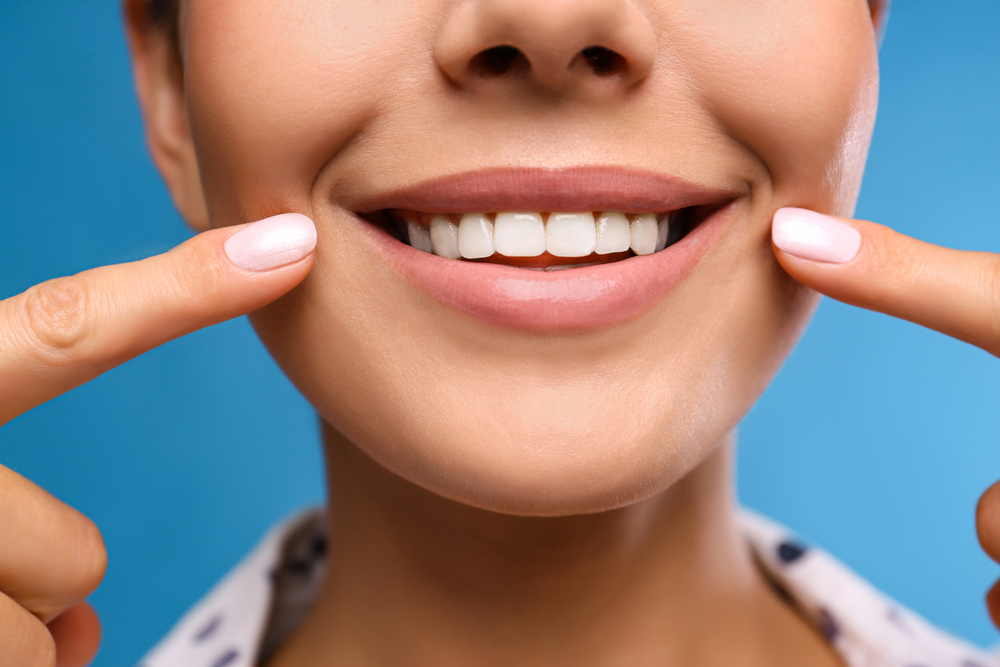
Fashion has always been about more than clothing. It is a language of identity, a visual expression of confidence, and a reflection of how people wish to present themselves to the world. Today, this same mindset is reshaping cosmetic dentistry. The modern smile is no longer viewed merely as a functional aspect of oral health; it has become an integral part of personal style. As a result, the worlds of aesthetics, technology, and self-expression are converging in a way that is redefining how people think about beauty.
At the centre of this transformation is digital smile design, a technology-driven approach that allows patients and dentists to visualise aesthetic outcomes before treatment begins. Much like a fashion designer sketches concepts before creating a collection, cosmetic dentists can now map facial proportions, analyse expressions, and create highly personalised treatment plans that align with an individual’s unique features and aspirations.
This evolution reflects a broader cultural shift. Consumers today are increasingly accustomed to personalisation. Streaming platforms recommend content tailored to individual tastes. Fashion brands offer customised products. Even fitness and wellness programs are designed around personal goals. It is therefore unsurprising that patients now expect the same level of individual attention when pursuing aesthetic dental treatments.
The rise of social media has amplified this expectation. Every photograph, video call, and digital interaction places greater emphasis on facial appearance. Yet the modern cosmetic dentistry movement is not driven solely by vanity. Rather, it is rooted in authenticity. People are seeking smiles that feel naturally aligned with who they are, rather than conforming to a single idealised standard.
This is where the fashion mindset becomes particularly relevant. Fashion’s most influential trend over the past decade has been the move away from uniform beauty standards toward individuality. Contemporary style celebrates diversity in body types, cultural influences, and personal expression. Cosmetic dentistry is following a similar trajectory. The goal is no longer to create identical perfect smiles but to develop smiles that complement each patient’s facial structure, personality, and lifestyle.
The process of designing your perfect smile increasingly resembles a creative collaboration. Dentists act as both clinicians and aesthetic consultants, blending scientific precision with artistic judgment. Advanced imaging technologies allow patients to participate actively in the planning process. They can explore different tooth shapes, proportions, and smile lines, making informed decisions based on visual simulations rather than abstract descriptions.
The technology supporting this shift is remarkable. High-resolution digital photography, facial analysis software, three-dimensional scanning, and computer-generated treatment previews have transformed consultation experiences. These innovations provide a level of predictability that was difficult to achieve in previous generations of cosmetic dentistry. Patients gain a clearer understanding of potential outcomes, while clinicians can plan treatments with greater accuracy and confidence.
However, the significance of digital smile design extends beyond technology itself. Its greatest contribution may be psychological. Uncertainty has traditionally been one of the largest barriers preventing people from pursuing cosmetic dental treatment. By allowing individuals to preview potential results, the technology reduces anxiety and creates a stronger sense of trust between patient and practitioner.
Interestingly, this mirrors developments within the fashion industry. Virtual fitting rooms and augmented reality tools allow consumers to visualise products before making purchasing decisions. In both fashion and dentistry, technology is empowering individuals to make choices with greater confidence and clarity.
Another notable aspect of the modern smile-design movement is its focus on harmony rather than perfection. In fashion, the most compelling styles often arise from balance rather than flawless symmetry. The same principle applies to cosmetic dentistry. Research in facial aesthetics consistently suggests that attractiveness is influenced by proportional relationships and natural integration rather than rigid mathematical perfection. A beautiful smile is one that complements the entire face, enhancing overall appearance without appearing artificial.
This philosophy is particularly important as patients become more sophisticated in their understanding of cosmetic procedures. Today’s consumers are increasingly informed and discerning. They seek outcomes that appear effortless and authentic. The most successful cosmetic treatments are often those that attract positive attention without revealing the intervention behind them.
As society continues to place greater value on personal branding, the smile has emerged as one of the most influential visual assets an individual possesses. It shapes first impressions, influences perceptions of confidence and approachability, and plays a crucial role in both professional and social interactions. Consequently, designing your perfect smile has become comparable to curating a personal wardrobe or developing a signature style.
The future of cosmetic dentistry is likely to deepen this connection between healthcare, technology, and self-expression. Artificial intelligence, predictive analytics, and increasingly sophisticated digital planning tools will continue to enhance the precision of treatment design. Yet even as technology advances, the core objective will remain profoundly human: helping individuals feel more confident in how they present themselves to the world.
In many ways, the modern smile has become the ultimate accessory—not because it can be purchased or worn, but because it reflects identity itself. Through the integration of artistry, science, and innovation, digital smile design is helping usher in a new era where cosmetic dentistry is not merely about changing teeth. It is about creating harmony between appearance, personality, and self-confidence. Just as great fashion allows people to express who they are, the future of cosmetic dentistry is increasingly focused on empowering individuals through the thoughtful process of designing your perfect smile.