
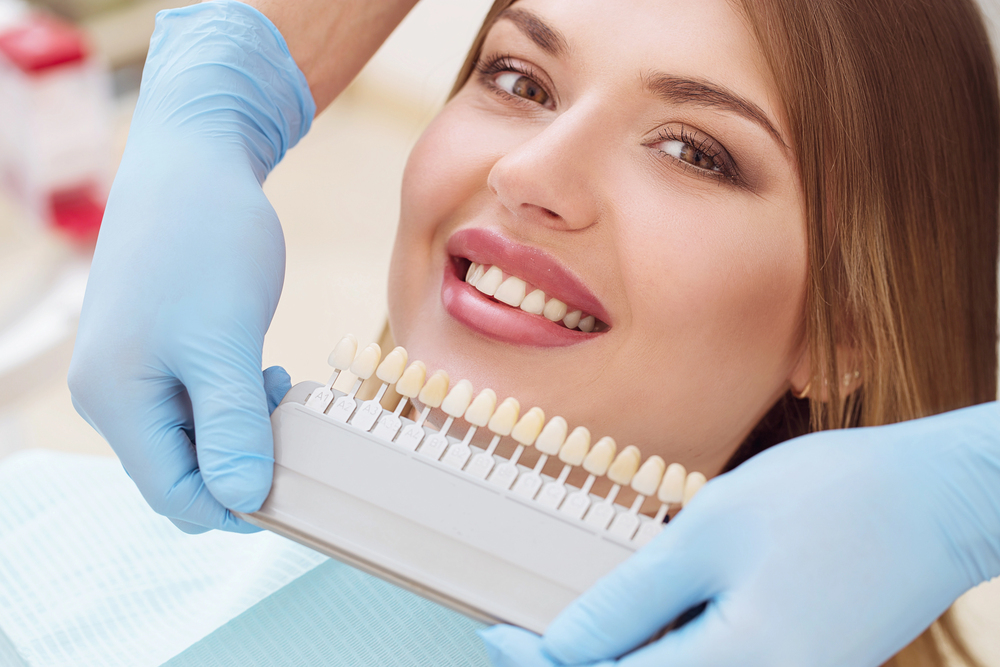
The quest for a flawless yet believable smile has led many Australians to explore the transformative world of cosmetic dentistry. While the “Hollywood smile” was once characterised by blindingly white, uniform rows of teeth, the modern aesthetic has shifted toward subtle enhancement. Today, the goal is to achieve a look that radiates health and vitality while maintaining the unique character of your natural facial features. Understanding the nuances of the procedure and the technology behind it is the first step in determining if this path is right for your dental journey.
The Art of Subtle Enhancement
Dental veneers are wafer-thin shells, typically crafted from high-quality porcelain or composite resin, bonded to the front surface of the teeth. Their primary purpose is to mask imperfections such as deep internal staining, minor misalignments, chips, or gaps. However, the true artistry lies in the customisation. Modern dental ceramics possess translucent properties that mimic the way natural tooth enamel reflects light. By layering these materials with varying degrees of opacity, clinicians can recreate the subtle gradients and textures found in organic teeth, ensuring the results never look “plastic” or artificial.
Why Personalisation Matters
No two smiles are identical, and a one-size-fits-all approach is the quickest way to an unnatural result. Professional cosmetic consultations now focus heavily on facial mapping and tooth morphology. This means considering the shape of your lips, your gum line, and even your skin tone when selecting the shade and contour of the restorations. For instance, personalised smile design often incorporates dental veneers to ensure that each shell is shaped to complement the patient’s specific bite and speech patterns, rather than just filling a gap. This bespoke process prevents the “bulky” appearance often associated with poorly fitted veneers.
Porcelain vs. Composite Resin
Choosing the right material is a pivotal decision influenced by your budget, timeframe, and aesthetic goals. Porcelain veneers are widely considered the gold standard for longevity and stain resistance. They are custom-fabricated in a dental laboratory and require a small amount of enamel removal to ensure a flush fit. Composite veneers, on the other hand, are often applied in a single visit using a tooth-coloured resin sculpted directly onto the tooth. While composite is more cost-effective and easier to repair, porcelain offers a superior depth of colour and a lifespan that can exceed fifteen years with diligent maintenance.
The Procedure: What to Expect
The journey to a renewed smile typically involves three key stages: consultation, preparation, and placement. During the preparation phase, the dentist removes a microscopic layer of enamel—usually less than a millimetre—to create space for the veneer. Digital impressions are then taken to create a 3D model of your mouth. In many cases, “temporaries” are fitted so you can trial the look and feel of your new smile before the final porcelain units are permanently bonded. This trial period is essential for making fine-tuned adjustments to the length and shape, ensuring total comfort once the final restorations are set.
Longevity and Structural Integrity
Veneers are remarkably durable, but they are not indestructible. Because they are bonded to your natural teeth, the health of the underlying structure remains paramount. Patients with a history of bruxism (teeth grinding) may need to wear a protective occlusal splint at night to prevent the porcelain from chipping under pressure. It is also a misconception that veneered teeth cannot decay; while the porcelain itself is immune to cavities, the margin where the veneer meets the natural tooth is still vulnerable to plaque buildup. Maintaining a rigorous oral hygiene routine is non-negotiable for protecting your investment.
Protecting Your Investment
Once your new smile is in place, the focus shifts to preservation. While porcelain is highly resistant to coffee, tea, and red wine stains, the adhesive used to bond them can sometimes discolour over time if exposed to excessive staining agents. Avoiding non-abrasive toothpastes is also recommended, as gritty formulas can create microscopic scratches on the surface of the resin or ceramic, dulling the lustre over time. Regular professional cleans and check-ups allow your dentist to monitor the integrity of the bond and the health of the surrounding gingival tissue.
The transition to a more confident smile is a significant milestone for many Australians. By prioritising customisation and high-quality materials, you can achieve a result that feels as good as it looks. For those ready to commit to the process, it is helpful to review specific aftercare tips to make them last longer to ensure your smile remains bright and functional for decades to come. Taking the time to understand these clinical nuances ensures that your cosmetic upgrade is not just a temporary fix, but a long-term enhancement of your natural beauty.